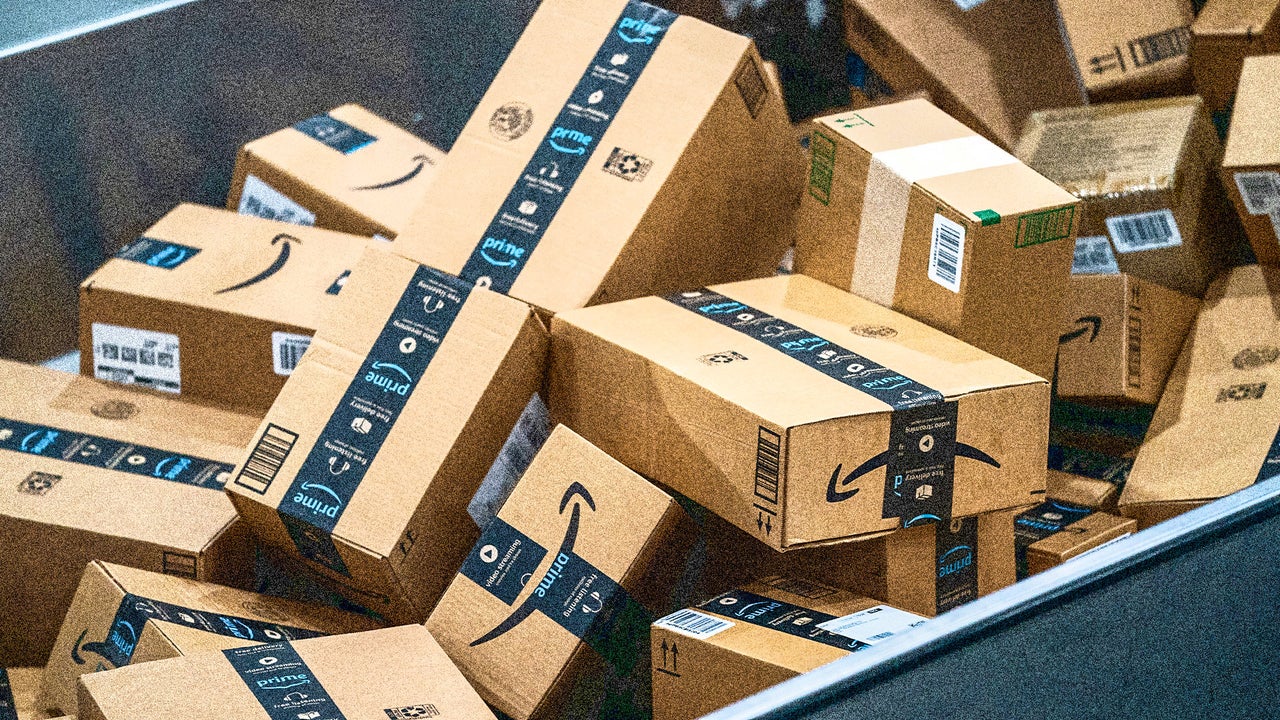
6 tips to lower your sky-high grocery bills
Last week, the U.S. Bureau of Labor Statistics released the most recent consumer price index, which tracks inflation of important consumer goods—including your groceries. The cost of food has risen sharply, according to the CPI, with the same cart of groceries costing 2.7% more in August 2026 than…
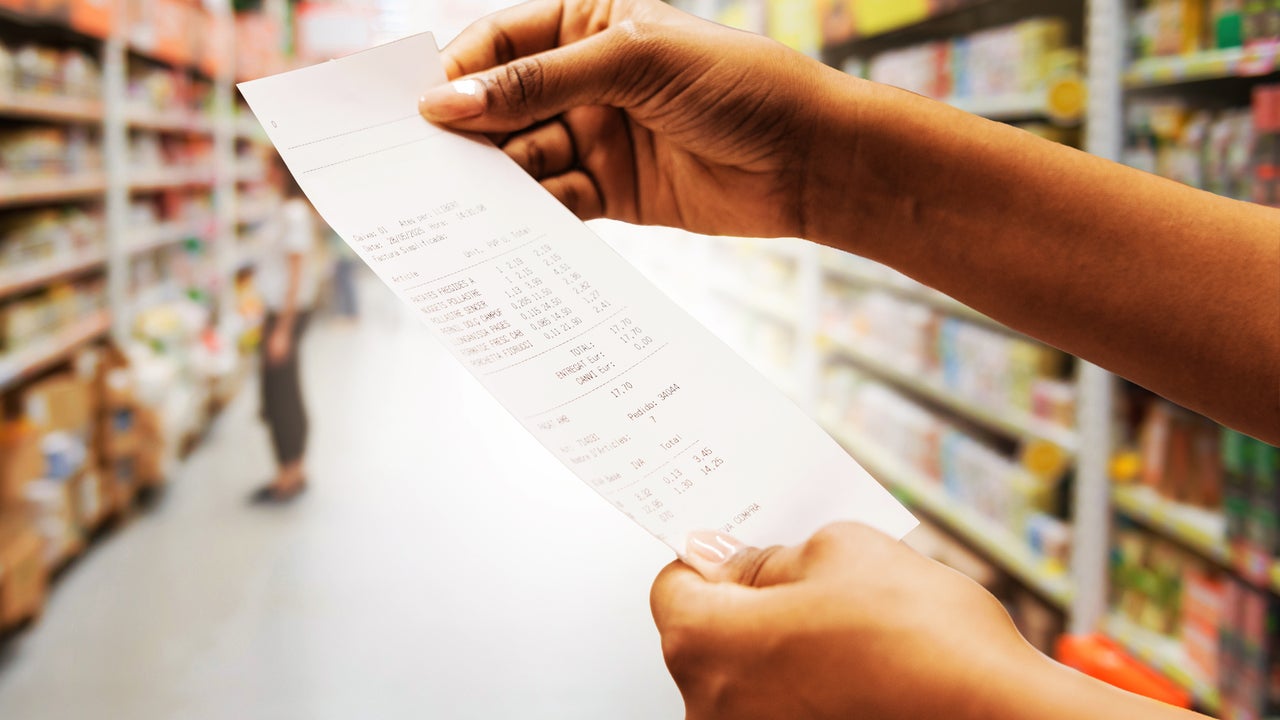
Last week, the U.S. Bureau of Labor Statistics released the most recent consumer price index, which tracks inflation of important consumer goods—including your groceries. The cost of food has risen sharply, according to the CPI, with the same cart of groceries costing 2.7% more in August 2026 than in August 2025. What’s more, food prices have increased by an eye-watering 33% since August 2019.
None of these statistics comes as a surprise to anyone who regularly goes grocery shopping. Everything from milk and beef to coffee and cereal to apples and potatoes takes a bigger bite from your grocery budget than it used to.
And unlike previous price hikes that affected only one or two grocery departments—like when egg prices soared in 2025—the current cost increases seem to hit nearly every aisle in your local supermarket. It’s much more difficult to adjust your grocery spending when every food’s price is rising.
The average consumer doesn’t necessarily think about what’s behind the price tag on their Wheaties and bananas. But knowing the reasons behind these higher costs can help make grocery shopping less expensive, since you’ll know what to expect long before you’re facing down a $7 pound of ground beef.
Here are the biggest drivers of high food costs, and what you can do to avoid paying too much for groceries.
Climate change
Several years ago, an acquaintance told me about stopping at a grocery store in a small town while she was on a road trip. She was mystified to find no fruit in the produce department. When she asked a worker where the fruit was, the grocery employee responded, “It’s winter! There’s no fruit.”
This story reminded me just how much grocery shopping has changed since my childhood, when produce was available seasonally—or else you paid through the nose for a tiny, desiccated cantaloupe in February. These days, we expect grocery stores to have every possible food you might desire at any given time.
This modern disconnect from the natural rhythms of food production can make consumers feel blindsided by climate-related price hikes—partially because it can take time to feel the effects.
Beef prices, for example, are sky high in part because of the record drought in the U.S. in 2022. Between the drought conditions, high grain prices, inflation, and rising interest rates, American cattle farmers have been reducing their herds—or getting out of the business altogether. This reduction in cattle means the U.S. herd is the smallest it’s been since 1951.
While many climate events can have more immediate effects on food prices—such as when a severe winter freeze might damage the Florida orange crop—the interconnected nature of food production means climate change may continue to affect prices long after the specific weather event has ended.
Tariffs
Since February 2025, the current administration has used tariffs as a major part of its foreign policy strategy. Tariffs are taxes on imported goods that increase the consumer’s cost, with the goal of encouraging more consumption of domestic goods.
The average tariff rate on all imports is 9.6%, but some of our most important trading partners face much higher rates. Specifically, the administration has hit Mexico, China, and Canada—the three countries that account for the highest share of U.S. imports—with tariffs of 25%, 30%, and 35%, respectively.
These tariffs can have a direct impact on grocery prices in the case of products we almost exclusively import, such as coffee and bananas. But tariffs for apparently unrelated products can also affect your grocery bill. In particular, tariffs on steel imports have led to higher prices for canned foods. As of August 2026, canned fruit and vegetable prices are up 4% compared with last year, while canned fish costs 6.1% more than it did in 2025.
Energy prices
When you throw a head of lettuce or a gallon of milk into your shopping cart, you’re probably not thinking about the journey it took before appearing on the shelf. But every single item in the grocery store arrived via truck, which means fluctuations in energy prices can be reflected in food prices.
That’s why the recent spike in diesel prices to $6 per gallon could make a major dent in your grocery budget. The prices of perishable goods will increase first in response to higher diesel prices, since they have a shorter shelf life and must be restocked quickly. But elevated energy costs will eventually affect shelf-stable food prices, too, as stores need to restock these items.
Even if we were only dealing with climate change, tariffs, or energy prices one at a time, we would still see higher grocery bills. But all three of these factors are concurrently hitting our food infrastructure, which makes it much more difficult for the average consumer to protect their grocery budget.
6 tips to save money when food prices spike
There are still a number of strategies you can use to keep from weeping when you see your grocery bill every week. Here are some of the best ways to save money on groceries right now.
- Shop seasonally and locally, if possible: The less time your food has to spend in a truck, the less money the producers have to spend on fuel to get it to you. Buying produce when it’s in season means it’s more likely to be grown nearby, rather than halfway across the world.
- Go meatless: Switching out the meat for just one dinner per week can save you about $9 per week, or approximately $470 per year.
- Clean out your fridge and pantry: The average American family loses $1,500 per year to wasted food. If your kitchen is anything like mine, your cluttered refrigerator is also the place where fresh produce goes to become a science experiment. Regularly auditing your kitchen, which includes cleaning your fridge, freezer, and pantry, can help ensure you eat the food you buy and use up leftovers before they become sentient.
- Meal plan: Knowing what meals you’ll be eating for the week helps you avoid food waste and unnecessary purchases. (Just ask me why I have three open canisters of cinnamon in my pantry.)
- Embrace frozen produce: Fruits and vegetables from the freezer aisle are just as nutritious as their fresh counterparts, but they last longer and may be significantly cheaper.
- Trust your nose rather than the expiration date: We often treat sell-by or best-by dates on perishable items as expiration dates. But other than infant formula, these sell-by dates are unregulated and voluntarily chosen by the manufacturer. Which means your yogurt is fine the day after the date stamped on the lid—provided it’s been properly refrigerated. You can generally trust your senses to determine if the food is safe to eat after the sell-by date, as long as you know the product’s been properly stored.
Don’t let grocery prices get you down
Paying for groceries shouldn’t require a second mortgage. But the combined effects of climate change, tariffs, and energy prices are working to make your weekly trip to the supermarket a painful experience for your wallet. You don’t have to simply pay the higher prices. You can reduce your grocery costs by getting intentional about your food purchases. This includes everything from shopping seasonally and going meatless to cleaning out your fridge and planning your meals to buying frozen produce and eating products after the sell by date.
Originally published by fastcompany.com. Syndicated material does not necessarily reflect the views of Glamour Canada.