Billy Evans may have gotten a share of the profits from ‘You Can See Everything’ after all
You Can See Everything may begin as a documentary about disgraced tech entrepreneur Elizabeth Holmes in the month before her prison sentence, but in the movie’s second half, an entirely different (and entirely meta) subject emerges: the deal between Holmes’s partner, Billy Evans, and studio A24 to…
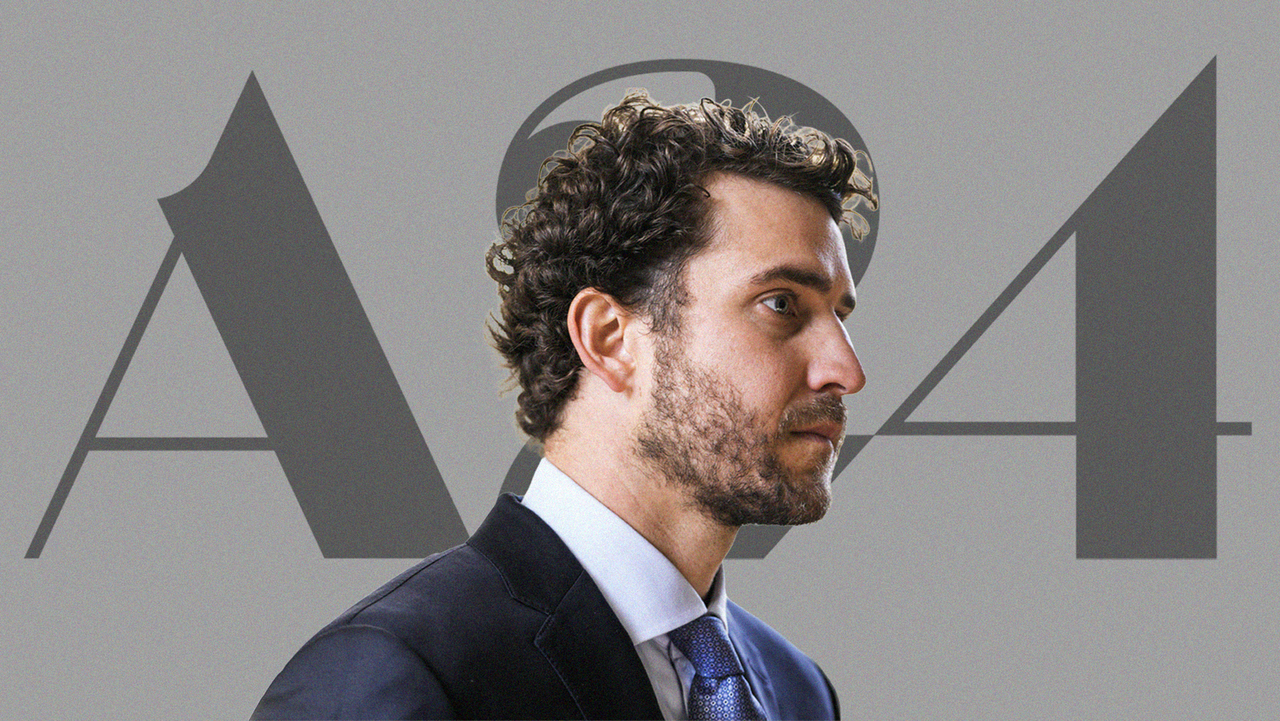
You Can See Everything may begin as a documentary about disgraced tech entrepreneur Elizabeth Holmes in the month before her prison sentence, but in the movie’s second half, an entirely different (and entirely meta) subject emerges: the deal between Holmes’s partner, Billy Evans, and studio A24 to give Evans a cut of the film’s profits, and codirector Nathan Fielder’s uncertainty about how much Holmes knows about the money.
Given Evans’s status as the film’s quasi-villain, the thought that ticket buyers’ money would end up in his pockets had moviegoers squirming in their seats. Thankfully, the documentary ends with a title card saying that Evans “decided to give up his right to profit on the movie” shortly after filming concluded.
But a new investigation says that Evans didn’t fully forgo his payout from the film—it was just redirected to charity instead.
Evans’s share of the profits
Two anonymous sources told The Hollywood Reporter that Evans and A24 amended their agreement so his payout would go to an unnamed children’s charity, not directly into his bank account. An A24 representative later confirmed that this deal was made, though they didn’t say why that detail was omitted from the film’s final title card.
The exact size of Evans’s payout remains unknown, but given You Can See Everything’s unprecedented success at the box office, his share is definitely more than small change. This week, the film crossed $100 million in global box-office revenue, making it the fifth-highest-grossing non-concert documentary of all time.
In a separate interview for THR, Evans explained why he agreed to back out on his initial deal with A24.
“They said that it would help the project. Time and time again, when there’s things that I really didn’t want to do that they said would be helpful for making a better movie and helping people see Liz more clearly, I made those sacrifices or decisions to help the project,” Evans said. “I am totally stubborn, but if there’s anything that I can do to help Liz regardless of the cost, I will do it.”
Why the directors disagree
Though THR’s report frames You Can See Everything’s final title card as disingenuous, directors Fielder and Lance Oppenheim say the outlet’s story misses the mark.
At a Q&A on November 21, Fielder and Oppenheim reportedly said the story’s wording was inaccurate and that none of the documentary’s subjects were paid, according to reporting by Semafor.
A studio source later told Semafor that Evans fully relinquished his profit-sharing deal, and that the charitable donation was a separate, mutual agreement between Evans and A24.
Meanwhile, THR’s editor-in-chief, Maer Roshan, defended the story over email, saying that A24’s perspective “seems like a pretty semantic argument.”
Originally published by fastcompany.com. Syndicated material does not necessarily reflect the views of Glamour Canada.