

Chase’s newest Sapphire Lounge, complete with champagne service, makes a case for its $795 price tag
In the high-stakes premium travel race of 2025, every major credit card issuer is trying to claim the loyalty of affluent travelers—and airport lounges have become the most visible battleground.
American Express is refreshing its Platinum Card and launching a new fast-format Sidecar lounge. Capital One’s Venture X card has become a darling among travelers, thanks to its hyperlocal boutique-style lounges. And Citi has returned to the ultra-premium arena with the $595 Strata Elite card.
As for Chase? Fresh off raising its Sapphire Reserve annual fee to $795 and launching its Sapphire Reserve for Business card, the finance giant is now signaling that its lounges aren’t meant to be carbon copies of existing models.
They’re meant to be destinations.
That direction becomes unmistakable with the opening of the newest Chase Sapphire Lounge by The Club at Harry Reid International Airport (LAS) in Las Vegas.
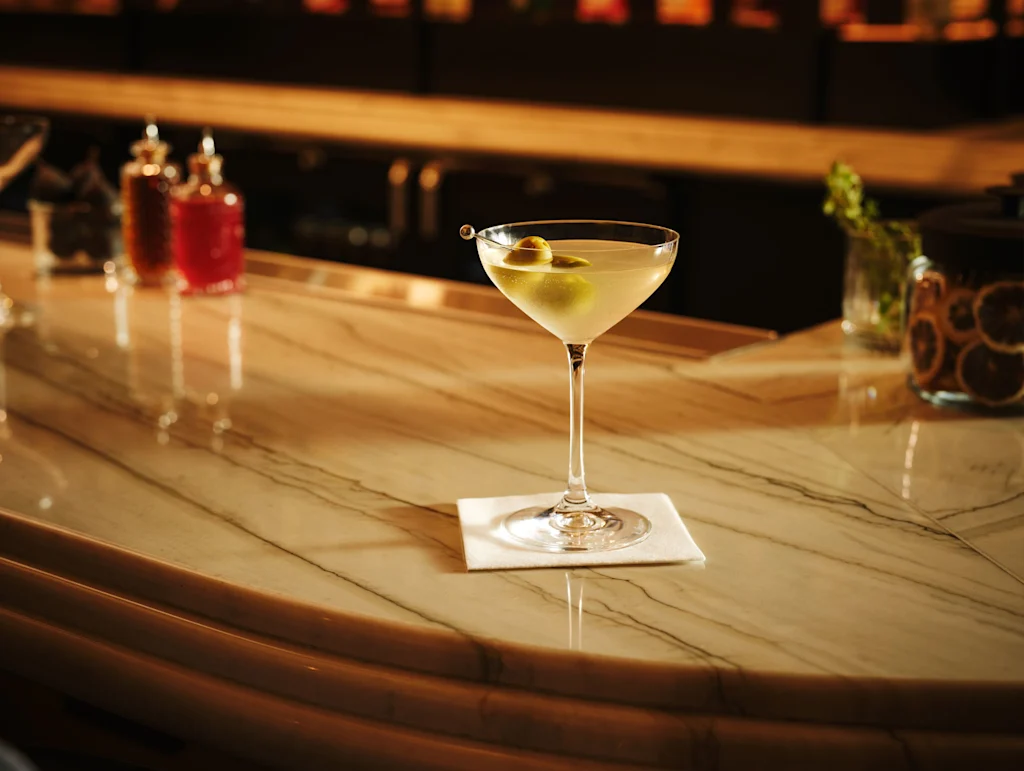
The two-story space arrives on Wednesday, December 3, with a marquee feature: Chase’s first-ever champagne parlor offering bar cart service, sparkling wine, mimosas, seasonal spritzes, and tray-passed bites.
It’s theatrical, indulgent, and distinctly Vegas—an early clue to how Chase sees the next phase of luxury travel benefits.
“We’re super excited about this lounge,” Dana Pouwels, head of airport lounge benefits at Chase, tells Fast Company. “A key focus for us with the Sapphire Lounge strategy is really bringing the best of the city into the lounge and really creating a destination that customers want to go to and visit different locations so they can learn something new.”
In a year when premium cards are escalating their lounge and concierge offerings—and, in many cases, their fees—Chase’s champagne lounge doesn’t just offer bubbles. It offers brand differentiation.
Why Las Vegas—and why now
Las Vegas was Chase’s sixth-most booked domestic travel destination in 2025, and it plays an outsize role in Sapphire Reserve customer behavior.
Other issuers have staked new ground in Vegas, too:
- American Express is preparing to open its Sidecar by the Centurion Lounge location there sometime in 2026.
- Capital One is adding another of its boutique-style lounges at LAS as part of its 2025 expansion.
Chase’s stepping in with its own concept—rooted in “sense of place”—underscores the city’s growing importance as a travel loyalty battleground.
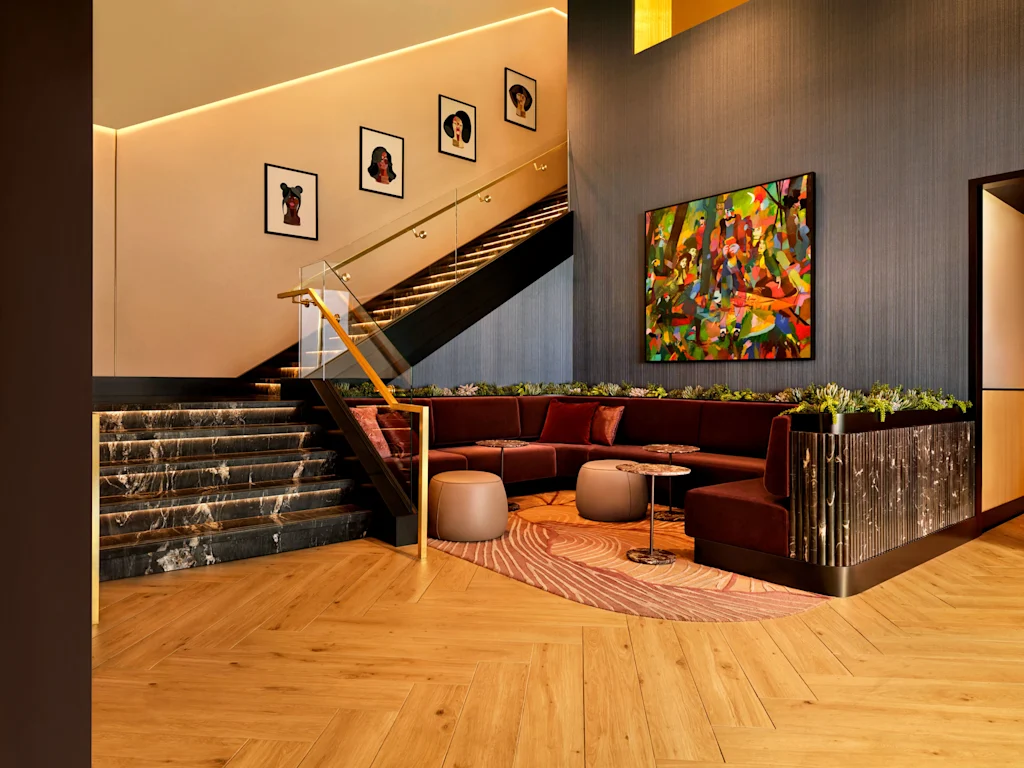
“This lounge is really about capturing the vibrant energy of Las Vegas,” Pouwels says. “We went for bold, shimmering finishes . . . but then we paired that with desert-themed touches that celebrate the unique landscape of the region.”
Chase uses each lounge to test new ideas, an approach that contrasts sharply with the uniformity seen in many airline-branded lounges. “A highlight, specifically for me, of this lounge is we are doing our first-ever champagne parlor . . . another fun way for us to do something unique and different on this lounge,” Pouwels says.
This experimentation is part of Chase’s signature. Its Phoenix lounge introduced a pre-bookable Airstream kitchen. San Diego features hyperlocal seafood dishes. And Boston brought wellness treatments into the fold.
“We test different concepts in each market . . . due to customer feedback,” Pouwels says. “That is a differentiating factor for us as we think about the lounge landscape overall.”

Culinary partnerships as a national strategy
In Vegas, that means chef David Chang’s Momofuku brand.
“Momofuku has been part of the Las Vegas community for nearly a decade, and so they’re really the perfect partner for us here,” Pouwels says. “They’ll be bringing some favorites . . . like spicy cucumber salad, crispy nori potatoes, and then their famous pork bun.”
Other markets showcase similarly intentional partnerships:
- Philadelphia: Middle Child Clubhouse dishes, Elixr Coffee, and a local craft beer garden celebrating the city’s brewing heritage.
- LaGuardia: Fairfax dishes and coffee from NYC’s famed Joe Coffee.
- San Diego: Oscar’s Mexican Seafood and Groundwork Coffee anchor a West Coast–inspired menu.
This consistent commitment to locality differentiates Chase from other airline lounges and gives Sapphire Reserve a culinary identity distinct from the Platinum Card’s chef collective or Venture X’s local brewery collaborations.
The fee hike—and what lounges have to do with it
Chase’s decision to raise the Sapphire Reserve annual fee to $795 earlier this year puts it squarely in competition with the Amex Platinum ($895) and Citi Strata Elite ($595). Meanwhile, Capital One’s Venture X remains significantly lower, at $395, drawing attention from cost-conscious premium travelers.
To justify a nearly $800 price tag, Chase’s lounges must deliver real, experiential value.
“The lounge strategy is really based on creating experiences for our card members on the end-to-end travel journey,” Pouwels says. “The reason that we open lounges in the first place is really to make travel better for card members.”
And even as some competitors are tightening guest access, Sapphire Reserve and Sapphire Reserve for Business card members can bring two guests for free—a meaningful differentiator as United Airlines, Delta Air Lines, and Amex adjust their policies to curb crowding.
What sets a Sapphire Lounge apart from competitors?
Pouwels frames it in terms of personalization and flexibility—two things travelers increasingly demand across card ecosystems.
“We really think our lounges are differentiated, unique, personalized, and really focused on elevating that customer’s travel journey,” she says.
Chase aims to meet travelers where they are:
- Guests with hours to spare can enjoy sit-down dining, wellness spaces, and private suites.
- Guests with mere minutes can benefit from grab-and-go options, specialty coffee, and quiet seating zones.
“It doesn’t really matter whether you have 15 minutes or whether you have an hour—you still want a great lounge experience,” Pouwels says.
A lounge as a loyalty engine
In a year when premium cards are redefining what “luxury” means—whether it’s Amex’s chef-driven menus, Venture X’s locally brewed “perfect airport beers,” or Citi’s sweep of high-value lifestyle credits—the Las Vegas Sapphire Lounge shows how Chase plans to compete: through curated destination immersion.
The champagne parlor is more than a novelty. It’s a glimpse of Chase’s long-term bet that the future of loyalty isn’t just about points—it’s about places.
And if Chase’s evolving lounge strategy stays on this course, the airport might soon become travelers’ first taste of their destination—not just the place they pass through to reach it.