Does Apple Cider Vinegar Need to Be Refrigerated?
Does apple cider vinegar need to be refrigerated? Typically, no. But, storing ACV correctly is key to preserving its health benefits and flavor. See why!
Table of Contents
- Why Apple Cider Vinegar Doesn’t Need the Fridge
- How Long Does Apple Cider Vinegar Actually Last?
- What Is “The Mother,” and Should You Worry About It?
- Apple Cider Vinegar Storage: Practical Guidance
- Does Apple Cider Vinegar Need to Be Refrigerated FAQ
- Will refrigerating apple cider vinegar make it last longer?
- Is it safe to drink apple cider vinegar with visible sediment or “the mother” in it?
- Does apple cider vinegar ever actually go bad?
- Can you freeze apple cider vinegar?
- Is homemade apple cider vinegar as shelf-stable as store-bought?
- What container should I store apple cider vinegar in?
- My bottle’s label says to refrigerate after opening. Should I still leave it in the pantry?
- Is it safe to drink apple cider vinegar straight from the bottle?
- Further Reading
Apple cider vinegar gets treated like a health supplement more than a condiment. That’s probably why so many people assume it needs the same careful handling as one. It doesn’t. Vinegar has been a self-preserving pantry staple for thousands of years, and ACV is no exception.
Does apple cider vinegar need to be refrigerated?
The short answer: No. Apple cider vinegar is acidic enough to be self-preserving at room temperature. USDA food composition data puts commercial ACV at about 5 percent acetic acid. FDA labeling guidance calls for a lower floor of roughly 4 grams per 100 mL for vinegar generally. That acidity makes it highly resistant to the bacteria and mold responsible for most food spoilage. It’s the same reason vinegar has been used as a preservative for other foods for centuries. A cool, dark pantry is all it needs. Refrigeration won’t hurt it, but it doesn’t add anything either, and if your specific bottle’s label says otherwise, follow the label.
That self-preserving quality is exactly why vinegar shows up in so many other shelf-stable pantry staples. It’s also why ACV works so well in wellness recipes like our ginger turmeric immune shots, or the mocktails and shrubs in our apple cider vinegar tonics guide. If you’re wondering about the full shelf-life picture, see does apple cider vinegar go bad. Our Food Storage Guide also rounds up how other vinegar-based condiments, like mustard and Worcestershire sauce, compare.
At a Glance
| Unopened, pantry | Essentially indefinite; best-by date is a quality marker |
| Opened, pantry | Best quality roughly 2-3 years; not a safety cutoff |
| Refrigerated | Not necessary; harmless if you prefer it |
| “The mother” | Normal in raw, unfiltered ACV; not spoilage |
Key Takeaways
- USDA food composition data puts commercial ACV at about 5 percent acetic acid, above the roughly 4 grams per 100 mL that FDA labeling guidance calls for. Iowa State University Extension puts vinegar’s typical pH around 3. That acidity is what makes it shelf-stable without refrigeration.
- Unopened ACV has what Iowa State Extension describes as an “almost indefinite” shelf life. Once opened, expect best quality for roughly 2 to 3 years, per Penn State Extension, though it isn’t a hard safety cutoff. Always check the manufacturer’s best-by date on your specific bottle.
- “The mother,” the cloudy strands or web-like mass you sometimes see in raw, unfiltered ACV, is a mass of yeast and bacterial cells left over from fermentation. It isn’t a sign the vinegar has spoiled. Bragg, which ships its ACV with the mother in every bottle, tells customers to shake gently before using it to redistribute the mother rather than pour around it.
- Refrigeration isn’t necessary for plain commercial ACV and isn’t required to keep it safe. It’s a personal preference, not a safety requirement.
- Homemade ACV is a different case. Its acidity can vary depending on how completely fermentation ran. It shouldn’t be assumed to have the same shelf stability as standardized commercial vinegar, and it shouldn’t be used for shelf-stable canning or pickling.
Why Apple Cider Vinegar Doesn’t Need the Fridge
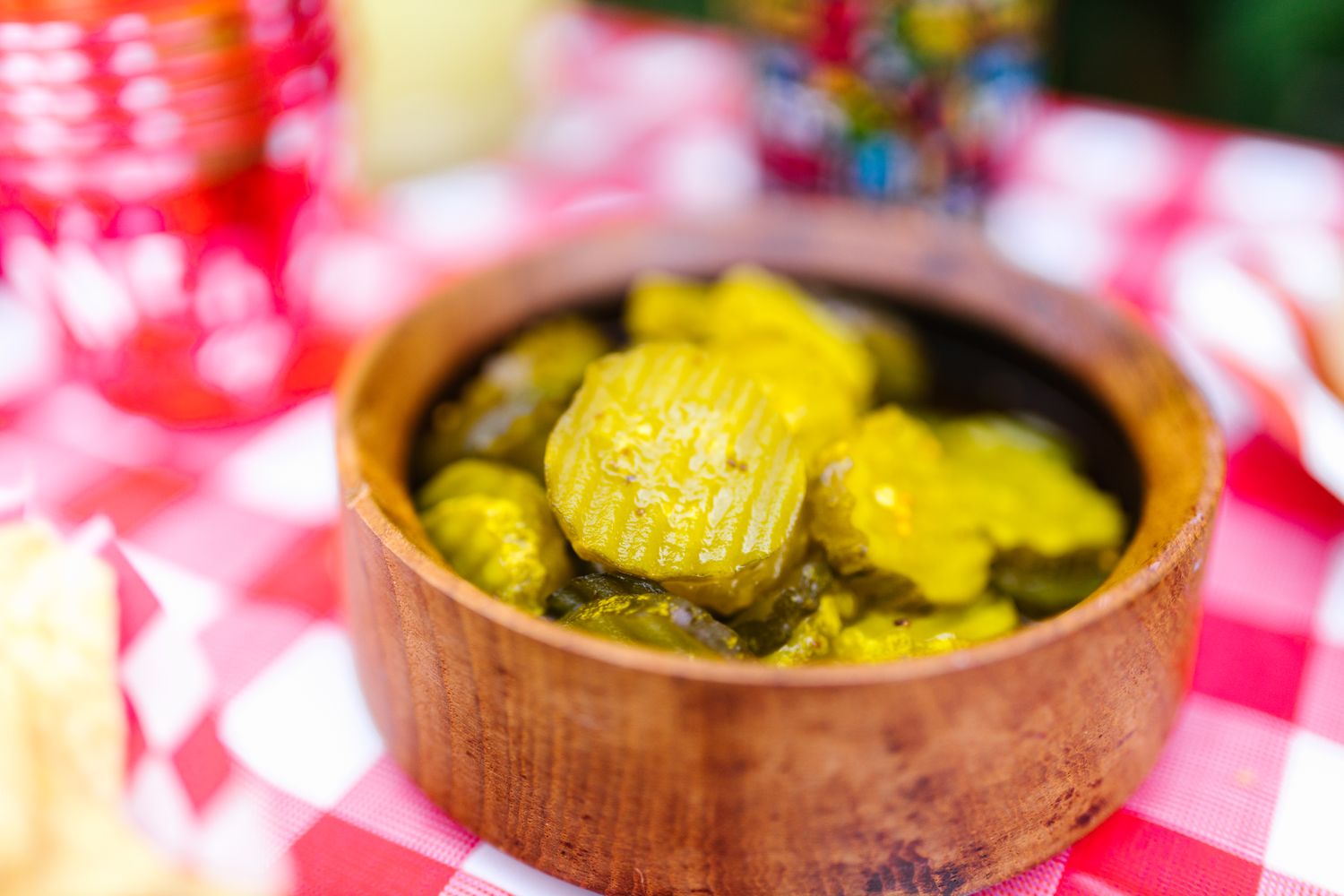
Vinegar’s preservation power comes down to acidity. There’s no formal federal standard of identity for vinegar, but FDA labeling guidance calls for at least 4 grams of acetic acid per 100 mL. USDA food composition data puts commercial apple cider vinegar at about 5 percent, comfortably above that guidance. Iowa State University Extension puts vinegar’s typical pH around 3. That level of acidity makes vinegar highly resistant to the growth of the bacteria and mold responsible for most food spoilage. It’s also why vinegar has long been used to preserve other foods, like pickles, rather than needing preservation itself. White distilled vinegar keeps essentially indefinitely. Other types, ACV included, stay at best quality for a couple of years and remain safe well past that. The main exception is moisture getting into the container, which is what can actually weaken vinegar’s acidity over time.
How Long Does Apple Cider Vinegar Actually Last?
Unopened
An unopened bottle of commercial ACV, stored in a cool, dark pantry, has what amounts to an indefinite shelf life. The best-by date on the label is a quality marker, not a safety cutoff, and the vinegar inside isn’t going anywhere.
Opened
Once opened, ACV is generally at its best for roughly 2 to 3 years, a range Penn State Extension gives for cool, properly stored vinegar. That’s a quality window, not a safety cutoff. Past it, the vinegar doesn’t become unsafe; it may gradually mellow in flavor or develop more sediment. Its acetic acid is relatively stable under normal storage. Moisture getting into the container is what can actually weaken it over time. Always check your specific bottle’s own best-by date to be safe.
Homemade ACV
Homemade apple cider vinegar plays by different rules than the commercial bottle on your pantry shelf. Its acidity can vary depending on how completely fermentation ran, since a home batch doesn’t go through the same standardized process a manufacturer does. Penn State Extension advises against using homemade vinegar for canning or shelf-stable preservation for exactly that reason. Inconsistent acidity can’t be counted on the way a commercial product’s can. It’s fine in salads, cooking, or refrigerator pickles, just not for anything meant to sit at room temperature relying on its acidity alone.
What Is “The Mother,” and Should You Worry About It?
If you’ve bought raw, unfiltered ACV, you’ve probably seen cloudy strands, floating webs, or a thicker layer settled near the bottom of the bottle. That’s the mother. Penn State Extension describes it as “a mass of yeast and bacterial cells that have naturally grown during the vinegar fermentation process,” typically appearing as gelatinous strings or sheets floating in or on top of the vinegar. It’s not mold, and it’s not a sign anything has gone wrong. Bragg‘s product page states its ACV is “raw, unfiltered, and naturally fermented with the ‘Mother’ in every bottle.” It instructs customers to shake gently before using it so the mother mixes back in, rather than settling untouched at the bottom. If the texture bothers you more than it interests you, straining the vinegar through a coffee filter removes it without affecting the vinegar’s safety or acidity.
Signs Something Is Actually Wrong
- Visible mold, which looks distinctly fuzzy or spotted rather than the smooth, gelatinous strings or sheets of the mother. This is rare in straight vinegar given how acidic it is.
- A sharply different or unpleasant smell, shifting from vinegar’s normal sharp, tangy odor to something rancid or musty.
- When in doubt about a bottle’s condition, don’t taste it to decide whether it’s safe. Mold and an off odor are the signs to go by, not flavor.
Normal Changes That Don’t Mean It’s Bad
- Cloudiness from harmless vinegar bacteria. Iowa State University Extension notes this doesn’t affect the vinegar’s quality or flavor.
- Sediment or strands of “the mother” settling at the bottom of the bottle, especially in raw, unfiltered varieties.
- Gradual darkening or mellowing in flavor over a long stretch of storage, a slow quality change rather than a safety one.
How to Store Apple Cider Vinegar Properly
- Keep it in its original container, tightly sealed, in a cool, dark pantry or cupboard away from the stove.
- Keep it out of direct sunlight. Iowa State University Extension notes that heat and light are what actually degrade vinegar over time, not room temperature air.
- Shake the bottle gently before pouring if you’ve bought a raw, unfiltered version with visible mother.
- Strain through a coffee filter if the cloudiness or sediment bothers you. It won’t change the vinegar’s safety or acidity.
- Don’t rely on homemade ACV for shelf-stable canning or pickling, since its acidity can vary. It’s fine in salads, cooking, or refrigerator pickles instead.
- Refrigeration is fine if you prefer it, but it isn’t doing any preservation work the pantry isn’t already handling.
- Follow that instruction over any general rule here if a specific bottle’s label recommends refrigeration after opening. This applies especially to a flavored ACV drink or a blend with other ingredients.
Apple Cider Vinegar Storage: Practical Guidance
| Form | Where | How Long / Notes |
|---|---|---|
| Commercial ACV, unopened | Pantry | Essentially indefinite; best-by date is a quality marker |
| Commercial ACV, opened | Pantry | Best quality roughly 2-3 years; not a safety cutoff |
| Raw, unfiltered ACV (with mother) | Pantry | Same as above; shake before use |
| Homemade ACV | Pantry or fridge | Not for shelf-stable canning; fine in salads, cooking, refrigerator pickles |
Figures reflect Iowa State University Extension’s and Penn State Extension’s guidance on vinegar shelf life alongside published ACV brand storage information. Homemade batches vary in acidity and should be treated more conservatively.
Does Apple Cider Vinegar Need to Be Refrigerated FAQ
Will refrigerating apple cider vinegar make it last longer?
Not meaningfully. For plain commercial ACV, acidity already keeps it shelf-stable at room temperature, and refrigeration isn’t needed to preserve its safety. It’s a matter of personal preference, not a way to meaningfully extend shelf life.
See also

Is it safe to drink apple cider vinegar with visible sediment or “the mother” in it?
Yes. The mother is a natural byproduct of fermentation, not spoilage. Shake the bottle to redistribute it, or strain it out with a coffee filter if you’d rather not see or feel it.
Does apple cider vinegar ever actually go bad?
Rarely, and not in a way that makes it unsafe. Real spoilage signs are visible mold or a sharply unpleasant, rancid smell. Cloudiness, darkening, and sediment on their own aren’t spoilage, and taste isn’t a reliable way to judge safety either way.
Can you freeze apple cider vinegar?
You can. A dilute vinegar solution has a slightly lower freezing point than plain water, but a standard home freezer is cold enough to freeze it solid anyway. There’s little reason to bother, though. Freezing may affect its appearance or texture, and its room-temperature shelf life is already long enough that freezing offers no real advantage.
Is homemade apple cider vinegar as shelf-stable as store-bought?
Not necessarily. Commercial ACV is standardized to a guaranteed acidity level, while homemade batches can vary depending on how completely fermentation ran. Don’t use homemade vinegar for shelf-stable canning or pickling. It’s fine in salads, cooking, or refrigerator pickled recipes instead.
What container should I store apple cider vinegar in?
Its original glass container, tightly sealed, works well. Glass doesn’t react with the vinegar’s acidity, and keeping the cap on tightly limits air exposure and evaporation.
My bottle’s label says to refrigerate after opening. Should I still leave it in the pantry?
No, follow the label. Plain ACV doesn’t need refrigeration, but some ACV drinks, tonics, and blends contain fruit juice, herbs, or other lower-acid ingredients that change the storage math entirely. If a specific product tells you to refrigerate it, that instruction is based on its actual formulation and takes precedence over general guidance for plain vinegar.
Is it safe to drink apple cider vinegar straight from the bottle?
It’s better not to. ACV’s acidity, the same property that keeps it shelf-stable, can irritate the throat and contribute to dental enamel erosion, according to the American Dental Association. If you choose to drink ACV, diluting it in water reduces the direct acid exposure to your teeth and throat.
Further Reading
- Does Apple Cider Vinegar Go Bad?
- How to Use Apple Cider Vinegar to Clean Your Kitchen
- How to Use Apple Cider Vinegar in Laundry
- The Tastiest Way to Get the Benefits of Apple Cider Vinegar
- Ginger Turmeric Immune Boosting Shots
- Should Mustard Be Refrigerated?
- Should Worcestershire Sauce Be Refrigerated?
- Does Molasses Need to Be Refrigerated?
- Complete Food Storage Guide: 120+ Foods

Better Living may earn commissions through affiliate links and may occasionally feature sponsored or partner content. If you make a purchase through our links, we may receive a small commission at no cost to you.
Originally published by onbetterliving.com. Syndicated material does not necessarily reflect the views of Glamour Canada.