Does RumChata Go Bad or Expire? Yes! See Why!
Does RumChata expire? Yes, within about 6 months opened. Real shelf life, why it differs from Baileys, and storage tips from the label.
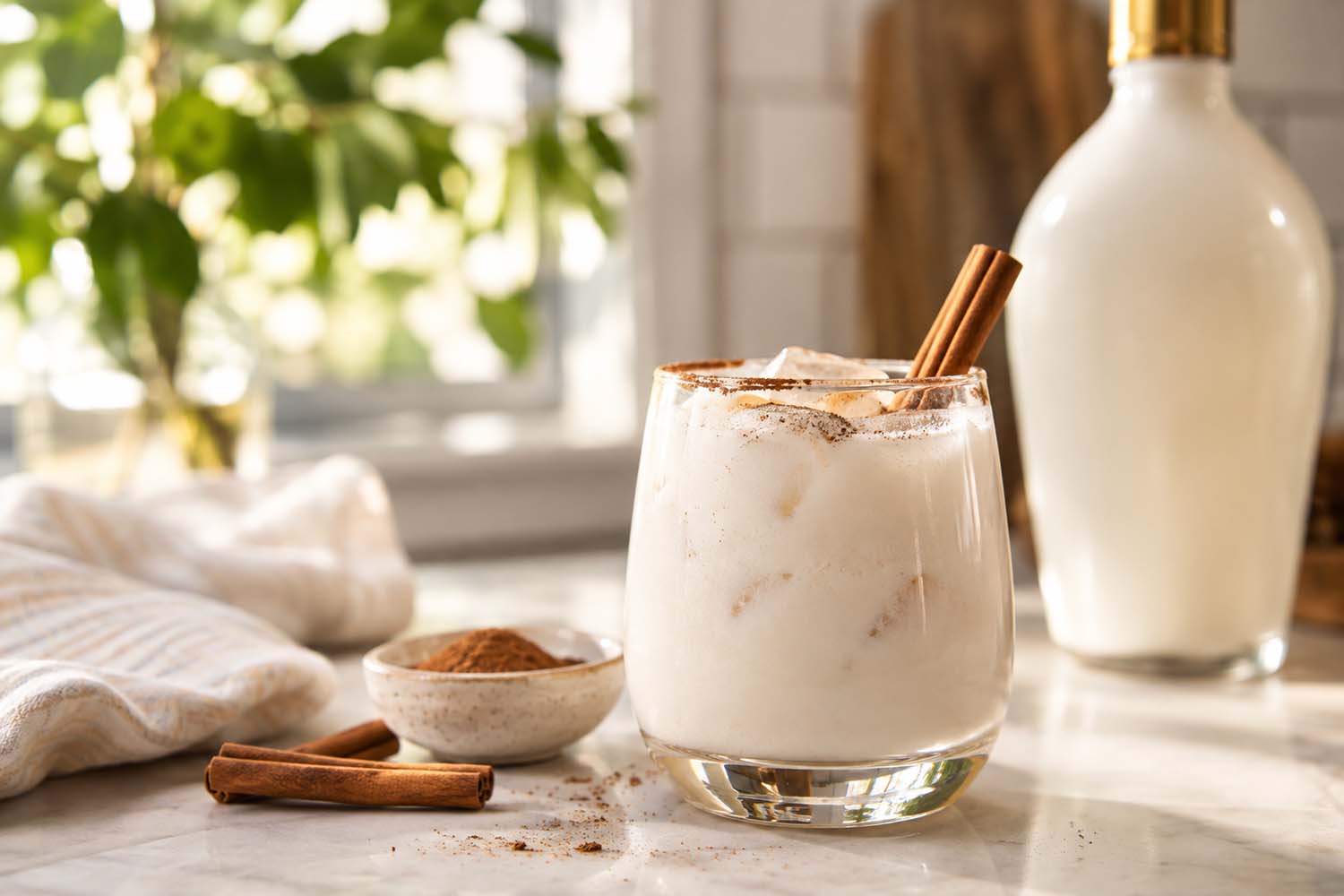
Table of Contents
- Key Takeaways
- Why RumChata Doesn’t Last as Long as Baileys
- How Long RumChata Actually Lasts
- Signs Your RumChata Has Actually Gone Bad
- How to Store RumChata So It Lasts
- Where RumChata Fits at a Party
- Frequently Asked Questions
- Does RumChata need to be refrigerated?
- Why did my RumChata curdle when I mixed it into a drink?
- Does Brandy Go Bad? Cognac Shelf Life & Storage Tips
- Is RumChata the same as Baileys, just rum-based?
- Does RumChata go bad if it’s not refrigerated?
- Can RumChata go bad in the fridge?
- Is there an expiration date printed on the bottle?
- How long does RumChata last unopened?
- How do you know if RumChata has actually gone bad?
- Does RumChata freeze?
- Further Reading
You find a bottle of RumChata in the back of the fridge or cabinet, maybe left over from a holiday party or a batch of White Russians. Does RumChata go bad?
The short answer: Yes, and it’s genuinely more time-sensitive than a lot of the other cream and coffee liqueurs covered in this cluster. RumChata is a real dairy cream liqueur, Caribbean rum blended with cream, cinnamon, vanilla, and sugar, inspired by the Mexican drink horchata. Unopened, it holds up well for a couple of years. RumChata’s own product label states it doesn’t require refrigeration and is best enjoyed within 6 months after opening, a notably shorter window than the roughly 2-year figure often cited for Baileys, even though both share the same “no refrigeration necessary” stance. The gap comes down to alcohol content: at 13.75% ABV, RumChata sits meaningfully below Baileys’ roughly 17%, which likely explains the more conservative printed window despite both being dairy-based liqueurs that skip the fridge requirement.
For more shelf-life guides across the rest of your bar cart, check out our full Bar & Spirits Guide.
Key Takeaways
- RumChata is 13.75% ABV, genuinely lower than Baileys’ roughly 17%, which likely explains why RumChata’s printed shelf-life window is shorter despite both liqueurs sharing the same “no refrigeration necessary” guidance.
- Unopened RumChata: Commonly good for about 2 years when stored properly.
- Opened RumChata: RumChata’s own product label states it’s best enjoyed within 6 months of opening, shorter than the roughly 2-year figure often cited for Baileys.
- Refrigeration isn’t required, according to RumChata’s own label, the same stance Baileys takes. It’s optional and mainly a matter of serving preference, not a genuine safety necessity, though it won’t hurt.
- Curdling when mixed into a drink is usually chemistry, not spoilage, the same pattern that trips people up with Baileys. Acidic mixers or citrus juice can curdle the cream on contact even from a perfectly fresh bottle.
- Skip the freezer. RumChata’s lower ABV means it’s more likely to actually freeze solid than a higher-proof cream liqueur, and a fully frozen liquid in a sealed glass bottle is a real cracking risk.
Why RumChata Doesn’t Last as Long as Baileys
Same Category, Different Math
RumChata launched in 2009, invented in Wisconsin as a play on horchata, the cinnamon-rice drink popular in Mexico and Latin America, with Caribbean rum and real dairy cream added to turn it into a liqueur. Like Baileys, it’s a genuine emulsion, cream suspended in alcohol, and like Baileys, that combination is what makes it fundamentally different from the pure spirits covered elsewhere in this cluster: it’s an actual food product with alcohol in it, not just flavored alcohol.
Where the two diverge is alcohol content. Baileys sits around 17% ABV, RumChata around 13.75%. Both brands state their product doesn’t require refrigeration, opened or not, but RumChata’s own printed guidance is noticeably more conservative about how long that holds true, 6 months after opening versus the roughly 2-year figure often cited for Baileys. The lower alcohol content is the most likely explanation for that gap, even though neither product technically requires the fridge. Like most commercial cream liqueurs, RumChata also relies on emulsifying and stabilizing ingredients to keep the cream and rum blended rather than separating over time, part of what allows a lower-ABV cream liqueur like this to stay shelf-stable at all.
How Long RumChata Actually Lasts
| Condition | Shelf Life |
|---|---|
| Unopened, stored properly | Commonly around 2 years |
| Opened, no refrigeration required | Best enjoyed within about 6 months, per RumChata’s own label |
| Opened, refrigerated | Same general window; optional but may help preserve flavor longer |
These figures describe general guidance, not a hard safety cutoff. A mostly-full, tightly-sealed, refrigerated bottle will hold up better than a nearly-empty one left out on a counter.
Signs Your RumChata Has Actually Gone Bad
When to Actually Throw It Out
Curdling or separation that doesn’t shake back together. A little separation that recombines when shaken is normal; lumps or a layer that won’t re-blend is not.
A sour or off dairy smell, distinct from the sweet cinnamon-vanilla scent it should have. This is a genuine spoilage sign, not just a flavor complaint, the same as it would be with Baileys.
Visible mold, especially around the cap on a bottle that’s been open a long time. Discard without tasting.
As with any dairy-based liqueur, these signs mean the bottle should actually be discarded, not just downgraded to a flavor complaint the way you’d treat an old bottle of rum or whiskey.
How to Store RumChata So It Lasts
Storage Best Practices
Refrigeration isn’t required, per RumChata’s own product label, which explicitly states no refrigeration is necessary, whether opened or not. Chilling it is fine if you prefer to serve it cold, but it’s a taste preference, not a safety requirement, the same situation as Baileys.
Store it in a cool, dark cabinet away from direct sunlight, whether the bottle is open or not.
Keep the cap on tightly between pours, and use a clean glass or pour spout rather than dipping anything into the bottle.
Don’t put it in the freezer. At 13.75% ABV, RumChata is closer to actually freezing solid than a higher-proof liqueur like Baileys, and a fully frozen liquid inside a sealed glass bottle can crack the glass as it expands.
Where RumChata Fits at a Party
RumChata’s whole identity is built around horchata, the cinnamon-rice drink that’s a genuine Cinco de Mayo staple, so it’s worth knowing the connection if you’re planning a celebration around that holiday; our Cinco de Mayo recipes roundup covers the food side of things even if the classic horchata recipe itself skips the alcohol. It’s also a common bottle to show up in a Father’s Day gift basket alongside other spirits, and it holds up well enough that it won’t go to waste if it’s not finished right away. For general hosting help with any gathering, our summer entertaining tips and holiday pizza party guides cover the broader side of planning ahead.
Frequently Asked Questions
Does RumChata need to be refrigerated?
No. RumChata’s own product label states plainly that no refrigeration is necessary, whether the bottle has been opened or not, the same stance Baileys takes. Chilling it is fine if you like it served cold, but it’s a matter of preference, not a requirement. What is genuinely different from Baileys is the printed shelf-life window itself: RumChata’s label recommends using it within about 6 months of opening, shorter than the roughly 2-year figure commonly cited for Baileys, likely a reflection of RumChata’s lower alcohol content.
Why did my RumChata curdle when I mixed it into a drink?
This is almost always chemistry, not spoilage. Cream curdles on contact with acid, so mixing RumChata with citrus juice, certain sodas, or other acidic mixers can cause it to curdle right in the glass even from a perfectly fresh bottle. The simple test: pour a small amount straight from the bottle with nothing else added. If that’s smooth and tastes normal, the bottle is fine, and the curdling was caused by whatever you mixed it with.
See also

Is RumChata the same as Baileys, just rum-based?
Similar concept, meaningfully different product. Both are dairy cream liqueurs built on a spirit base, both state they don’t require refrigeration, but RumChata is built around Caribbean rum and a cinnamon-vanilla horchata flavor profile rather than Irish whiskey. Its lower alcohol content, 13.75% versus Baileys’ roughly 17%, lines up with its shorter printed shelf-life recommendation, about 6 months after opening versus roughly 2 years for Baileys, even though neither one requires the fridge.
Does RumChata go bad if it’s not refrigerated?
Not on its own. RumChata’s own label states no refrigeration is necessary, and plenty of bottles are opened, used, and finished entirely at room temperature without any issue. The 6-month opened window applies whether or not the bottle is chilled; refrigeration isn’t what determines whether it goes bad, proper sealing and reasonable storage temperatures are.
Can RumChata go bad in the fridge?
No, refrigeration itself doesn’t cause RumChata to spoil, and if anything, cold temperatures slow down the gradual flavor and texture changes that happen with age. The one thing to watch for is temperature swings: repeatedly moving a bottle in and out of the fridge, or letting it sit somewhere that fluctuates a lot, can affect the texture over time more than steady refrigeration would.
Is there an expiration date printed on the bottle?
Many bottles carry a printed code or “best by” style date, typically near the neck or on the bottom, reflecting the manufacturer’s recommendation for peak freshness rather than a hard safety cutoff. RumChata hasn’t published a detailed public guide for decoding that specific code the way some other brands have, so if you’re trying to pin down exactly how old a bottle is, checking for the printed date directly on your bottle is more reliable than guessing from memory.
How long does RumChata last unopened?
Commonly around 2 years from the date of manufacture when stored properly in a cool, dry place away from direct light. This is well beyond the 6-month window that applies once the bottle is opened, since an unopened bottle has no air exposure working against it.
How do you know if RumChata has actually gone bad?
Check smell, texture, and appearance before assuming it’s fine just because it’s within the general timeframe. A sour or off dairy smell, curdling or separation that doesn’t shake back together, or visible mold are all genuine signs to discard the bottle. A small taste test is a reasonable final check if everything else seems normal but you’re still unsure.
Does RumChata freeze?
It can, and that’s actually a reason to avoid the freezer rather than use it. At 13.75% ABV, RumChata’s freezing point is high enough that a standard home freezer can genuinely freeze it solid, unlike a higher-proof cream liqueur that mostly just thickens. A fully frozen liquid inside a sealed glass bottle risks cracking the glass as it expands, and freezing can also ruin the smooth texture of the cream once thawed.
Further Reading

Better Living may earn commissions through affiliate links and may occasionally feature sponsored or partner content. If you make a purchase through our links, we may receive a small commission at no cost to you.
Originally published by onbetterliving.com. Syndicated material does not necessarily reflect the views of Glamour Canada.