Does Triple Sec Go Bad? Cointreau Shelf Life Explained
Does triple sec or Cointreau expire? Straight from Cointreau's own FAQ: no expiration date, plus real shelf life, storage tips, and the truth about the 2-year rule
Table of Contents
- Why Orange Liqueurs Don’t Really Expire
- Triple Sec & Cointreau Shelf Life at a Glance
- Frequently Asked Questions
- Further Reading
That bottle of triple sec has been sitting behind the mixers since the last margarita night. You’re wondering whether it’s still good enough for the next one. Does triple sec go bad?
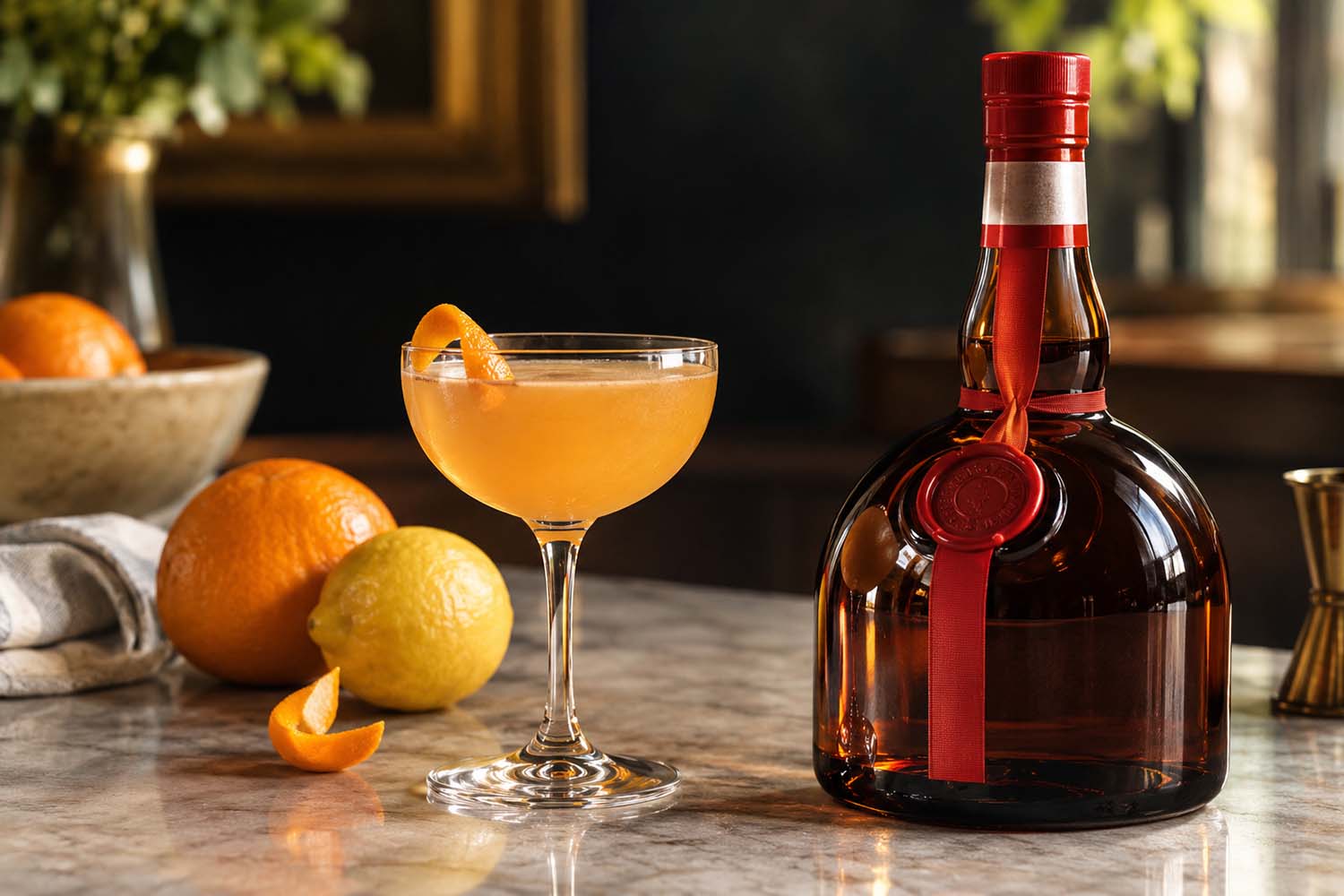
The short answer: No, whether you’re holding a $15 bottle or a bottle of Cointreau. Orange liqueurs in this family are sweet, flavored spirits, with alcohol content typically ranging from about 15% to 40% ABV. Even the low end of that range is high enough to prevent spoilage or bacterial growth. What actually changes over time is the orange flavor intensity, not safety. Cointreau’s own FAQ states there’s no expiration date on an unopened bottle, thanks to its 40% alcohol content. The company recommends finishing an opened bottle within about two years for peak flavor. But it notes the liqueur stays safe to drink well beyond that.
For more shelf-life guides across the rest of your bar cart, check out our full Bar & Spirits Guide.
Key Takeaways
Triple sec and Cointreau don’t spoil. Both stay shelf-stable indefinitely when unopened. An opened bottle stays safe to drink for years, even if the flavor mellows.
Cointreau’s “two years after opening” guidance is about flavor, not safety. Cointreau states directly there’s no expiry date. The two-year window is about peak aroma, and a bottle kept longer is still safe.
Not all “triple sec” is the same strength. Generic bottles range from about 15% to 30% ABV. Cointreau, by contrast, comes in at a higher 40%. The higher the proof, the better the bottle holds its flavor over years of storage.
“Cointreau” and “triple sec” aren’t strictly interchangeable terms. Triple sec is a generic, unregulated category name. Cointreau is a specific, legally recognized orange liqueur with its own production standards. The company says plainly it’s “more than a triple sec.”
Why Orange Liqueurs Don’t Really Expire
Alcohol and Sugar Do the Preserving
Two things work in triple sec’s favor: alcohol and sugar. Alcohol above roughly 15-20% ABV is inhospitable to the bacteria and mold that spoil lower-proof or non-alcoholic products. Triple sec’s heavy sugar content, generally 200-250 grams per liter, adds a second layer of protection. It works through osmotic pressure, the same principle that keeps honey or jam shelf-stable. A sealed bottle sitting in a cabinet isn’t fighting anything. There’s nothing in it that can grow or ferment further.
What Actually Fades Is Aroma, Not Safety
Over time, the liqueur slowly loses volatile aromatic compounds, mainly limonene and linalool, that give it its bright orange character. These compounds evaporate a little every time you open the bottle and let air back in. That’s why a five-year-old opened bottle tastes noticeably flatter than a fresh one, even though it’s perfectly safe.
Is Cointreau the Same Thing as Triple Sec?
Close, but not officially. “Triple sec” is a generic term for any orange-flavored spirit. There’s no legal definition or production standard behind it, which is exactly why quality varies so much between brands. Cointreau itself explains that it belongs to a separate, officially recognized category, orange liqueur, that carries specific production and quality requirements. In practice, most people use “triple sec” as an umbrella term that includes Cointreau, and that’s fine for everyday purposes. It’s just worth knowing the distinction exists if you ever see it debated.
This also explains the shelf-life gap between brands. Generic triple sec at 15% ABV has noticeably less preservation power than Cointreau at 40% ABV. That’s part of why a cheaper bottle tends to lose its brightness faster once opened.
Triple Sec & Cointreau Shelf Life at a Glance
| Condition | Shelf Life | Notes |
|---|---|---|
| Unopened bottle (any brand) | Indefinite | No safety concerns even after many years, per Cointreau’s own guidance |
| Opened Cointreau (40% ABV) | ~2 years for peak flavor; safe well beyond | Manufacturer’s own conservative recommendation, not a safety cutoff |
| Opened generic triple sec (15-30% ABV) | 1-2 years for peak flavor; safe beyond that | Lower proof means flavor fades somewhat faster than higher-ABV bottles |
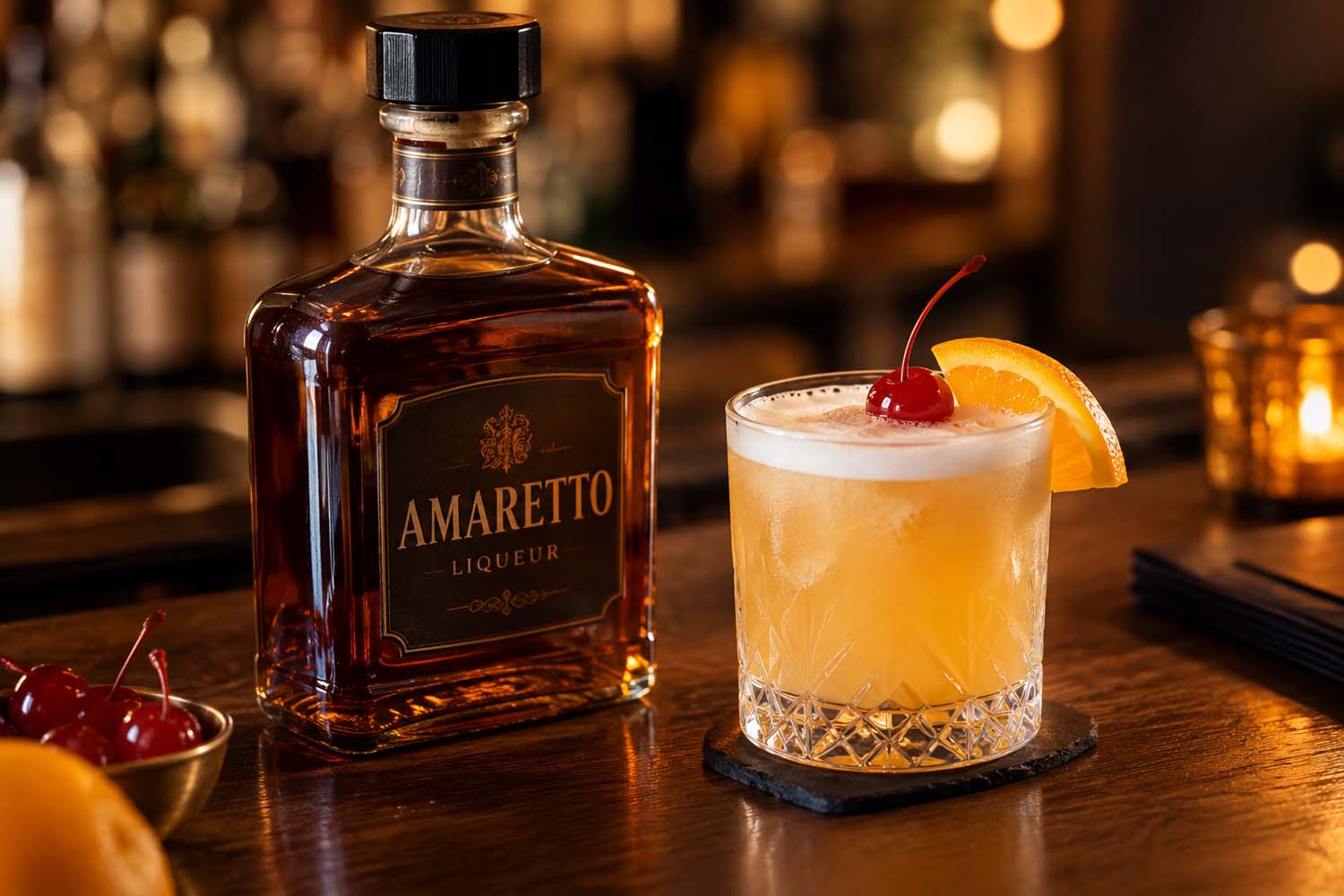
This is the same honest-range pattern we’ve found across the rest of the liqueur cabinet. A manufacturer’s conservative number is about optimal flavor, not a hard cutoff. The real driver of how long a bottle stays good is proof and how well you reseal it, not a calendar date. It’s worth comparing to amaretto, which sits in a similar lower-ABV liqueur range and follows the same logic. Triple sec is also a staple in one of our own recipes: our Red Wine Summer Sangria calls for a splash of it alongside brandy and fresh citrus.
Signs Your Triple Sec Has Actually Gone Bad
An off, sour, or flat smell that doesn’t resemble the bright orange aroma it started with. This signals significant flavor loss, worth replacing for taste even though it’s not a safety issue.
Cloudiness or floating particles that weren’t there originally. This is rare in a properly stored, unadulterated bottle, but worth a visual check.
Sugar crystallization, which can happen in older bottles that sit through temperature swings. It doesn’t make the liqueur unsafe, but it does mean the balance of sweetness has shifted, so the bottle may taste different than expected.
How to Store Triple Sec and Cointreau
Store upright in a dark place at room temperature. This is Cointreau’s own recommendation, and it applies to generic triple sec too.
Keep it out of the freezer if you want it usable straight from storage. At 40% ABV, Cointreau won’t freeze solid in a standard home freezer, but very low temperatures (below about 0°F) can change its texture and appearance.
Reseal the cap tightly after every pour to slow the evaporation of the aromatic compounds that give the liqueur its orange character.
See also

Frequently Asked Questions
Does triple sec need to be refrigerated?
No. Its alcohol and sugar content makes refrigeration unnecessary for safety. Some people chill it before serving in a frozen margarita or chilled cocktail, but that’s a preference, not a storage requirement.
What’s the difference between triple sec, Cointreau, and curaçao?
All three are orange-flavored liqueurs, but they aren’t identical. Triple sec is the broad, unregulated category name. Curaçao traditionally refers to orange liqueur made from the peels of the bitter laraha citrus grown on the island of Curaçao. Makers sometimes add color (blue curaçao is the most familiar example), though clear versions exist too. Cointreau is a specific branded orange liqueur made to its own production standard, which the company distinguishes from the generic triple sec category. In a pinch, most recipes calling for one will work reasonably well with either of the others.
Is Cointreau gluten-free?
Yes. Cointreau’s own FAQ lists orange peels, sugar, water, and neutral alcohol as the ingredients, with nothing gluten-containing among them. The company states directly that it’s gluten-free.
Why does Cointreau’s website recommend using it within two years if it doesn’t actually expire?
That window is about flavor, not safety. Cointreau states plainly there’s no expiry date, and that a bottle kept longer than two years remains safe to drink. The aromatic components may simply be somewhat less vivid by that point. Think of it as a “best enjoyed by” suggestion rather than a deadline.
Is a cheap triple sec as shelf-stable as Cointreau?
Both stay safe indefinitely once opened. But a lower-proof bottle (many sit around 15-20% ABV) tends to lose its bright orange character faster than a 40% ABV bottle like Cointreau. There’s simply less alcohol around to hold the volatile flavor compounds in the liquid over time.
What about non-alcoholic “triple sec” syrup, is that the same thing?
No, and this is an easy mix-up. Alongside the liqueur, there’s a separate category of non-alcoholic triple sec syrup, used for mocktails and baking, with no alcohol content to preserve it. That product behaves much more like a flavored syrup. Brands like Giffard state their non-alcoholic version stays shelf-stable around 18 months unopened. But they recommend refrigerating after opening and using it within about 5 months, closer to any other sugar syrup than to a liquor bottle. If your bottle says “non-alcoholic” or “0% ABV” anywhere on the label, follow that shorter timeline instead.
Further Reading

Better Living may earn commissions through affiliate links and may occasionally feature sponsored or partner content. If you make a purchase through our links, we may receive a small commission at no cost to you.
Originally published by onbetterliving.com. Syndicated material does not necessarily reflect the views of Glamour Canada.