Marketers, there’s a right way and a wrong way to use nostalgia
MySpace is plotting a comeback. Searches for iPods are rising. Young people are buying point-and-shoot digital cameras, and flip phones are appearing again in people’s hands. It would be easy to dismiss all of this as another turn of the nostalgia cycle but that, in many ways, misses the point.…
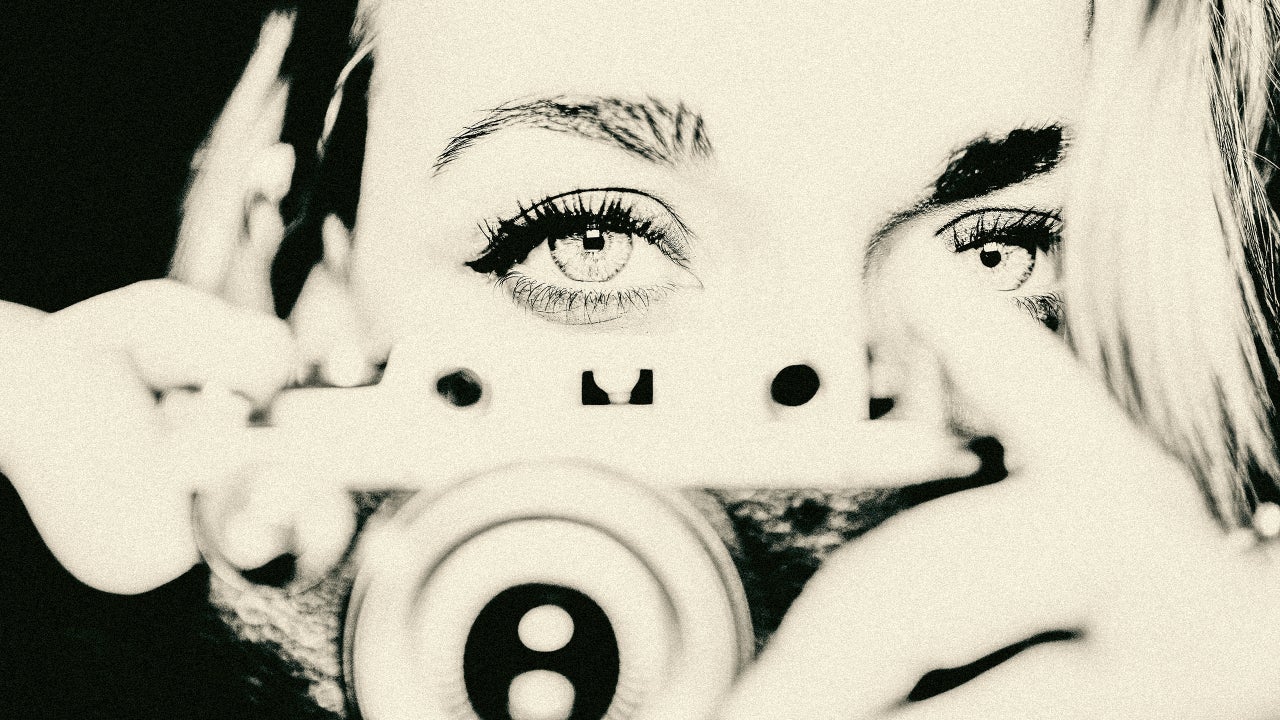
MySpace is plotting a comeback. Searches for iPods are rising. Young people are buying point-and-shoot digital cameras, and flip phones are appearing again in people’s hands. It would be easy to dismiss all of this as another turn of the nostalgia cycle but that, in many ways, misses the point.
People don’t necessarily want to return to 2006. They just don’t want to be in 2026.
Nostalgia was coined in 1688 by a Swiss physician, Johannes Hofer, to describe the severe homesickness he saw in soldiers posted abroad. The word is Greek for “the pain of wanting to return home.” What people long for has shifted from a place to a time, but the underlying impulse is similar: We miss something we feel we’ve lost.
An iPod held music you chose and owned, without tracking your listening habits or deciding what you should hear next. MySpace pages were genuinely personal; people learned basic HTML just to make theirs look different, often the first code they ever wrote. Your friends were effectively your recommendation algorithm, no endless feeds, no engagement to hack. It was sloppy but free of slop. There was a sense of autonomy and ownership that is harder to find in today’s optimized, surveilled digital spaces.
That’s an important distinction for brands rushing to capitalize on nostalgia. The past can tell you something valuable about what people find lacking in the present, but simply recreating how it looked is rarely the answer. Nostalgia offers instant warmth and meaning; borrow the aesthetics of an era people already love and you inherit some of those associations.
But shortcuts come with risks. Without a deeper connection to the brand, nostalgia can feel derivative. Worse, it can create expectations the customer experience doesn’t deliver, or anchor a brand to a moment whose relevance disappears when the nostalgia cycle moves on.
Don’t use nostalgia to obscure the present
Nostalgia becomes a problem when brands use it to project qualities that no longer exist in the business itself. The aesthetics have to match the ethos. If you’re borrowing the visual language of an era because it feels warmer, more human, or more personal, those qualities need to exist somewhere beyond the design. Otherwise nostalgia isn’t revealing something true about the brand; it’s obscuring what has actually changed.
Burger King’s recent “Boomer King” campaign shows this tension. It draws beautifully on the visual language of the 1980s and ‘90s, but some of the warmth we associate with that period came from human interaction. Walk into many fast-food restaurants today and that has been replaced by ordering screens and increasingly automated interactions. There’s a contradiction in dehumanizing the process while using nostalgia to make the brand feel more human.
Design can’t put back warmth that the business has taken out. Nostalgia works best when it gives visual expression to something that is still true.
Bring the past forward instead of going back
Drawing on the past is most powerful when it starts with something authentic to the brand, rather than an era that happens to be fashionable. The Light Phone, for example, is undeniably evocative of an earlier technological era. But Light isn’t pretending smartphones never happened.
It combines the tactile form and deliberate limitations of older phones with contemporary technology, including 5G and navigation. The point isn’t to recreate 2003, but to address a very current desire for technology that isn’t constantly competing for our attention.
For brands with a long history, the aim shouldn’t be to identify a golden age and recreate it. It’s to find the through line—the ideas, characteristics, or visual cues that have remained true to the company over time—and work out which of them are worth carrying forward.
When we worked with MGM Studios, the challenge wasn’t to return a century-old company to a particular point in its history, but to identify what had endured and adapt it for today. We broke its elaborate historic identity into elements that could be cropped, isolated and used in different ways, retaining MGM’s visual language without simply reproducing or losing a century-old mark.
Research what you’re actually nostalgic for
Before reaching for an archive, brands should ask a more fundamental question: What is it about this period that we want to capture?
Was it simplicity? Optimism? Sociability? Playfulness? Freedom? The answer should inform far more than typography and color palettes.
Vacation, the sunscreen brand, commits almost completely to its retro world, looking as though it has been transported from an impossibly glamorous 1980s resort. But it goes deeper than packaging. Its founders identified something they believed sunscreen had lost—the pleasure and fun surrounding it—and combined that with contemporary skincare and sun protection. The spirit of the period runs through the product, language and experience, helping build a business worth tens of millions of dollars within a few years of launching.
Designers today have an extraordinary advantage: Almost the entire history of human visual communication is available for us to study and sample. We should absolutely use it.
But design is ultimately an act of optimism. Our job is to imagine something that doesn’t exist yet and make people believe it could. The brands that define eras aren’t usually the ones trying hardest to recreate another one. They’re the ones that give us a compelling picture of what might come next.
The past should be material for building that future, not somewhere for brands to retreat.
Originally published by fastcompany.com. Syndicated material does not necessarily reflect the views of Glamour Canada.